Latest News
- Legendary Mask Maker, Zagone Studios, Approaches Fifty-Years Of Innovation Right Here In Chicago
- Born Into Rock, Built To Play, Stanley Simmons Bring Their Own Legacy Of Music To Chicago
- The Smashing Pumpkins Bring Three Hours of Music, Nostalgia and Theatricality Back Home to Chicago
- Photo Gallery: The Smashing Pumpkins live in Chicago at United Center 2026
- Photo Gallery: Beck Auditorium Theatre Chicago 2026
- Photo Gallery: Acid Bath at The Salt Shed Chicago 2026
The Smashing Pumpkins Bring Three Hours of Music, Nostalgia and Theatricality Back Home to Chicago
By: Scarlett Medina Alvarez
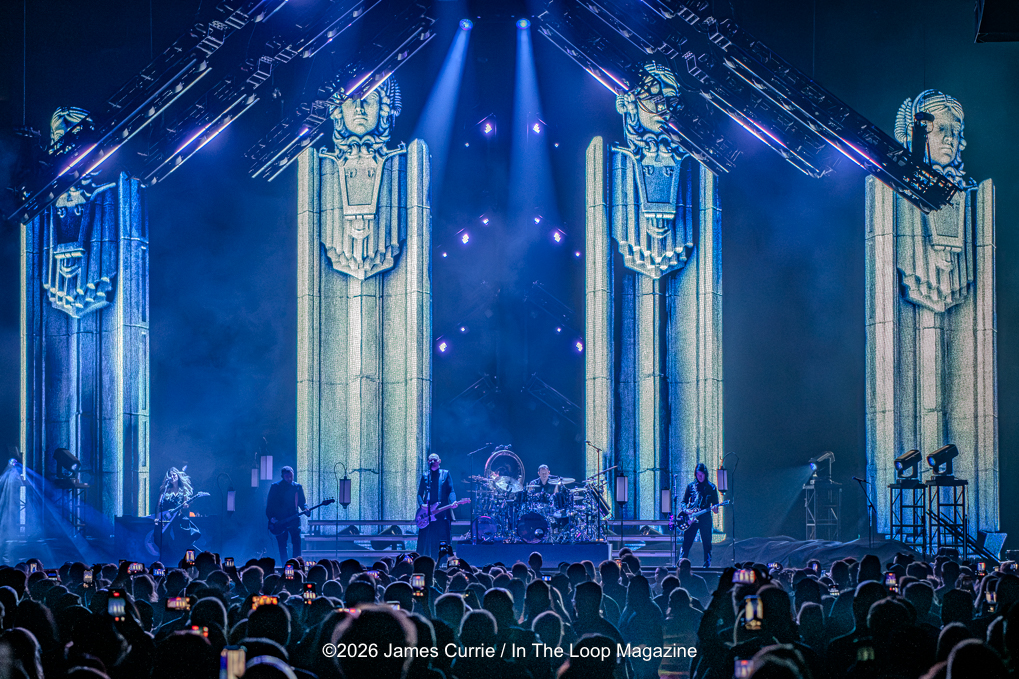
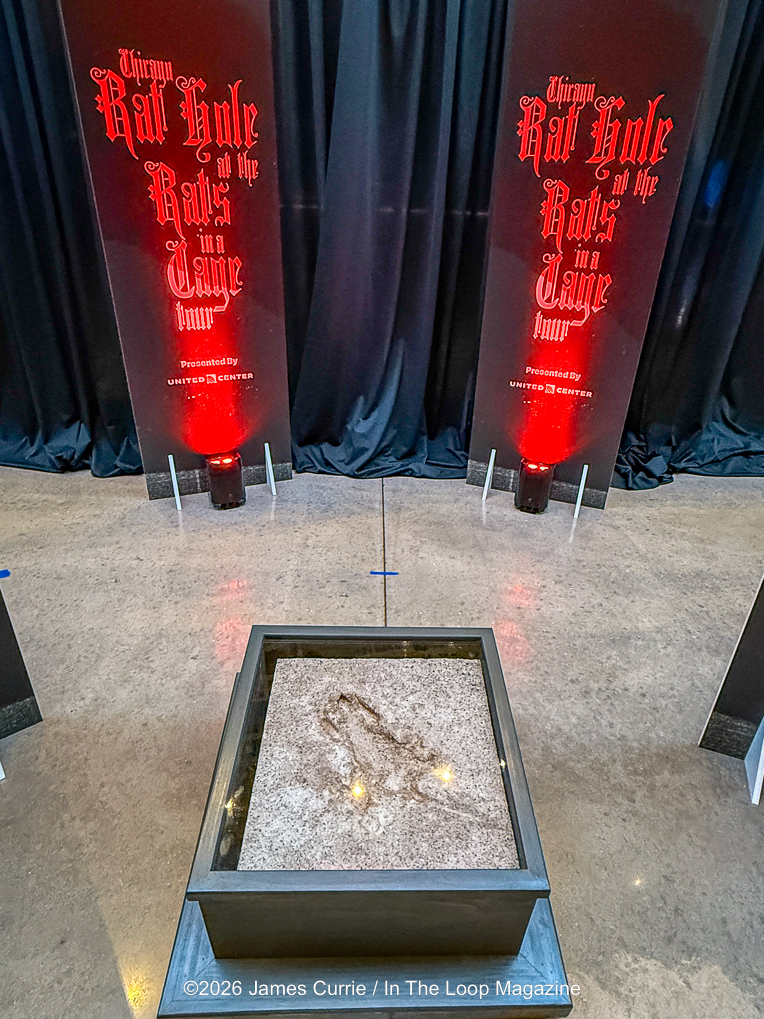
20,000 people, four guitars and three hours. That’s one easy way I could describe what happened at the United Center on Wednesday night when The Smashing Pumpkins brought their Rats in a Cage Tour back home to Chicago. But honestly, that doesn’t begin to cover it. And they even brought a special Chicago only prop to display for fans, the Roscoe Village Rat Hole (Chicago rat sidewalk imprint).
Celebrating the 30th anniversary of Mellon Collie and the Infinite Sadness, the band divided the night into two acts: one dedicated to the iconic album and another exploring nearly four decades of their music. And judging by the crowd’s reaction, people had been waiting for this.
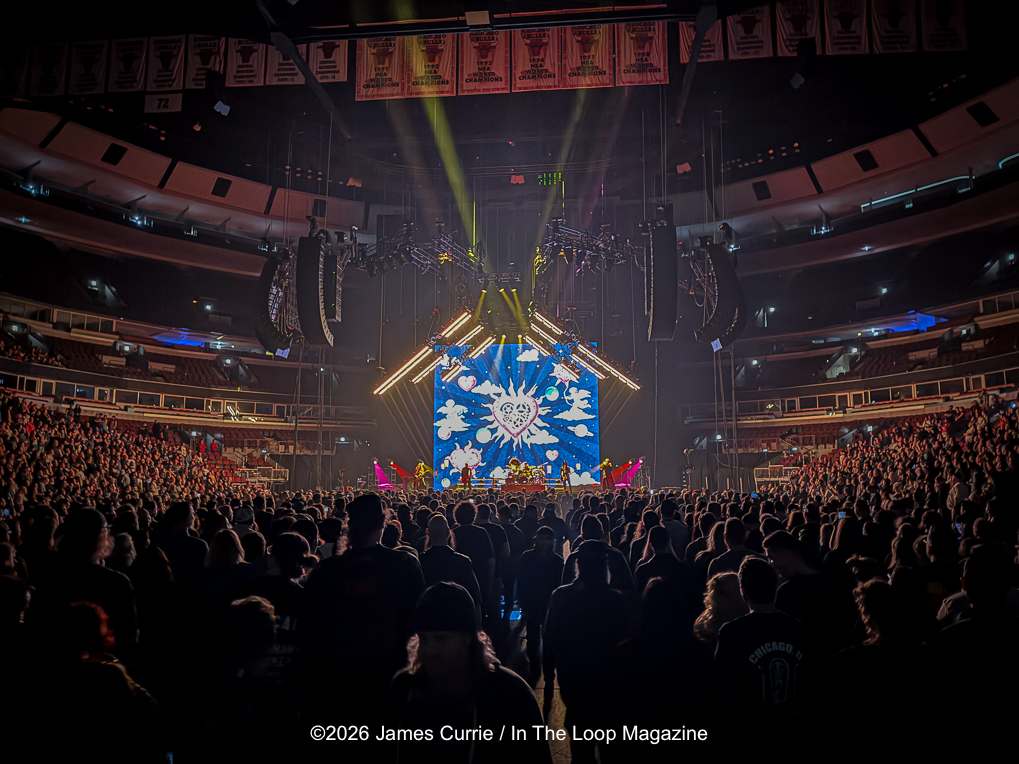
Looking around the arena, it was clear this wasn’t necessarily a young crowd. Most people appeared to be in their 40s, 50s and 60s, with some younger fans either attending on their own and others with their parents. There were even a few kids getting what might have been their first introduction to the band.
But age didn’t seem to matter once the guitars started. People cheered, whistled and yelled toward the stage whenever there was a moment of silence. And when the music got heavier, heads started moving, hands went up and rock signs appeared across the arena.
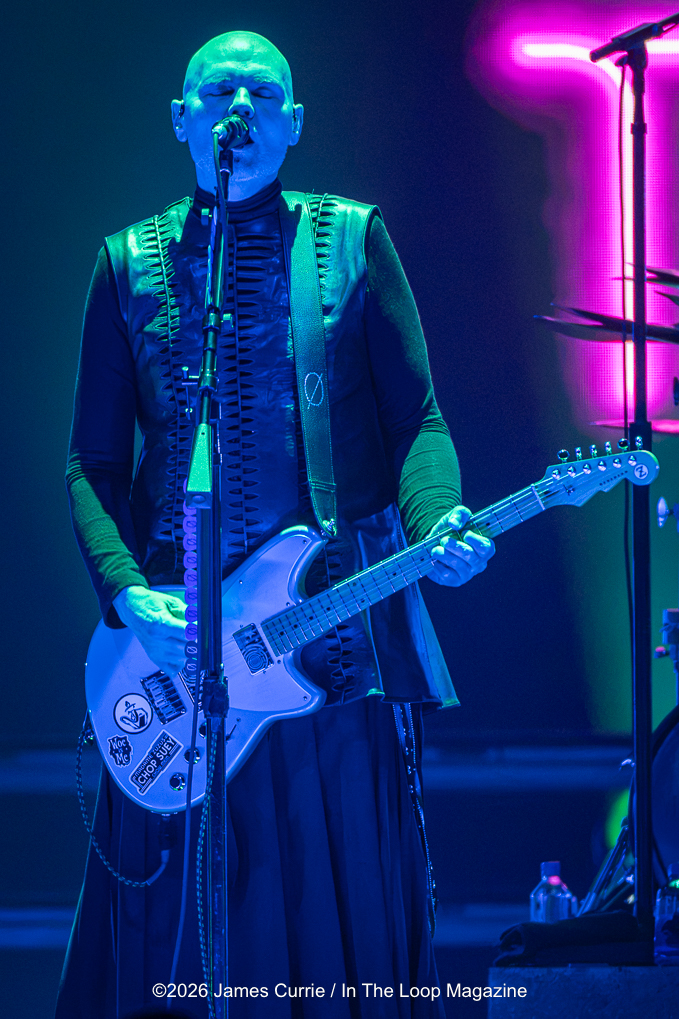
What surprised me was how few people bothered filming. Phones appeared at some point but mostly it was just the audience watching and listening. At times, it felt like thousands of people had gathered in one giant living room to hear some music together. Except the music was live, and Billy Corgan was actually standing right in front of us.
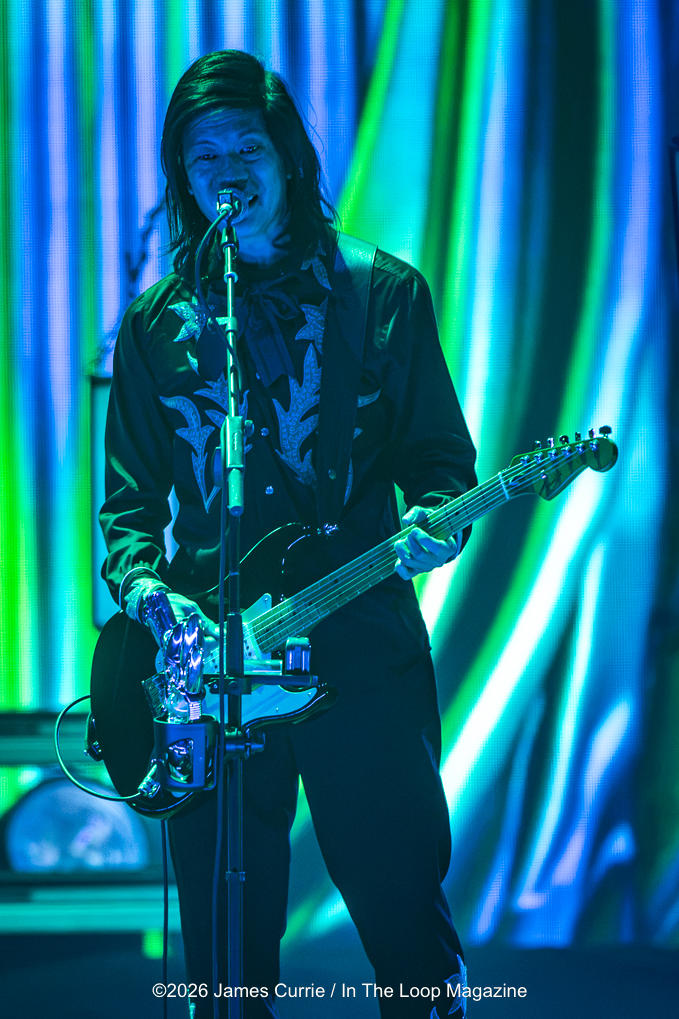
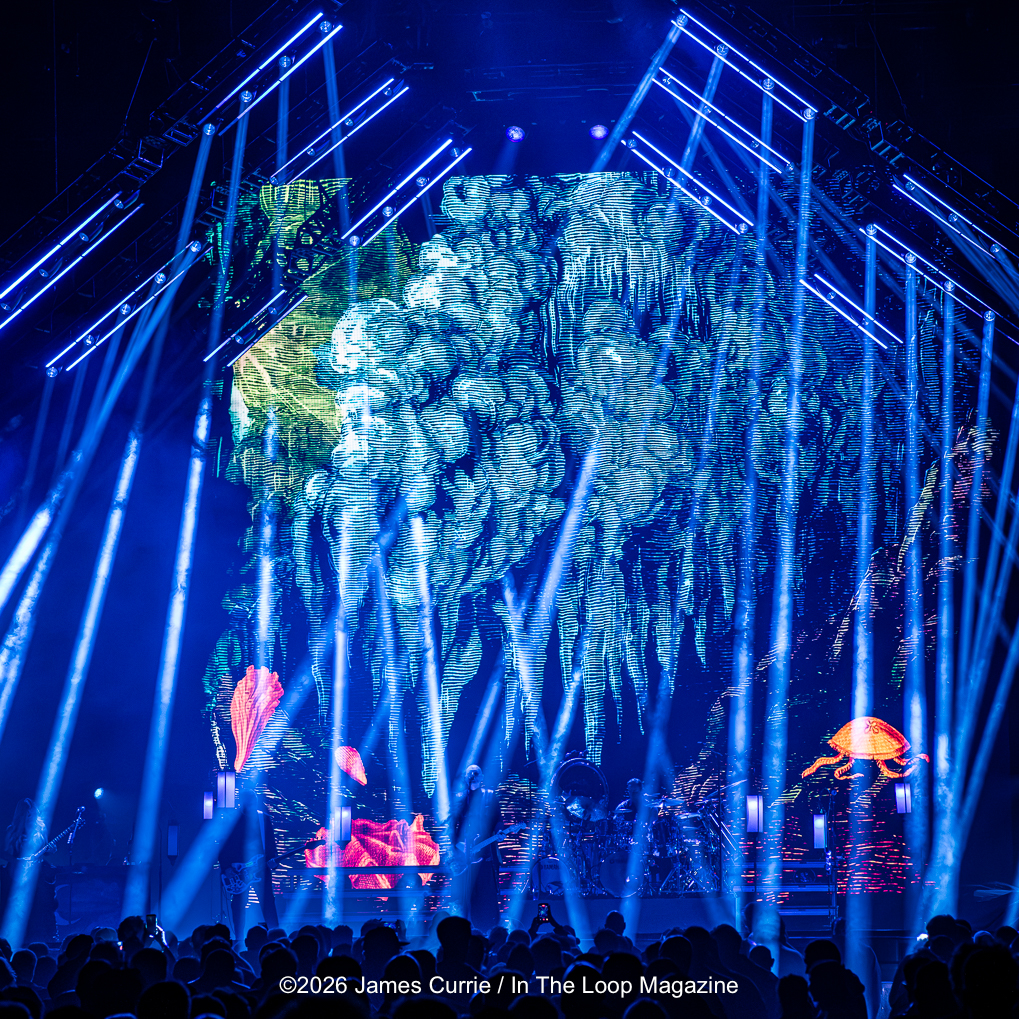
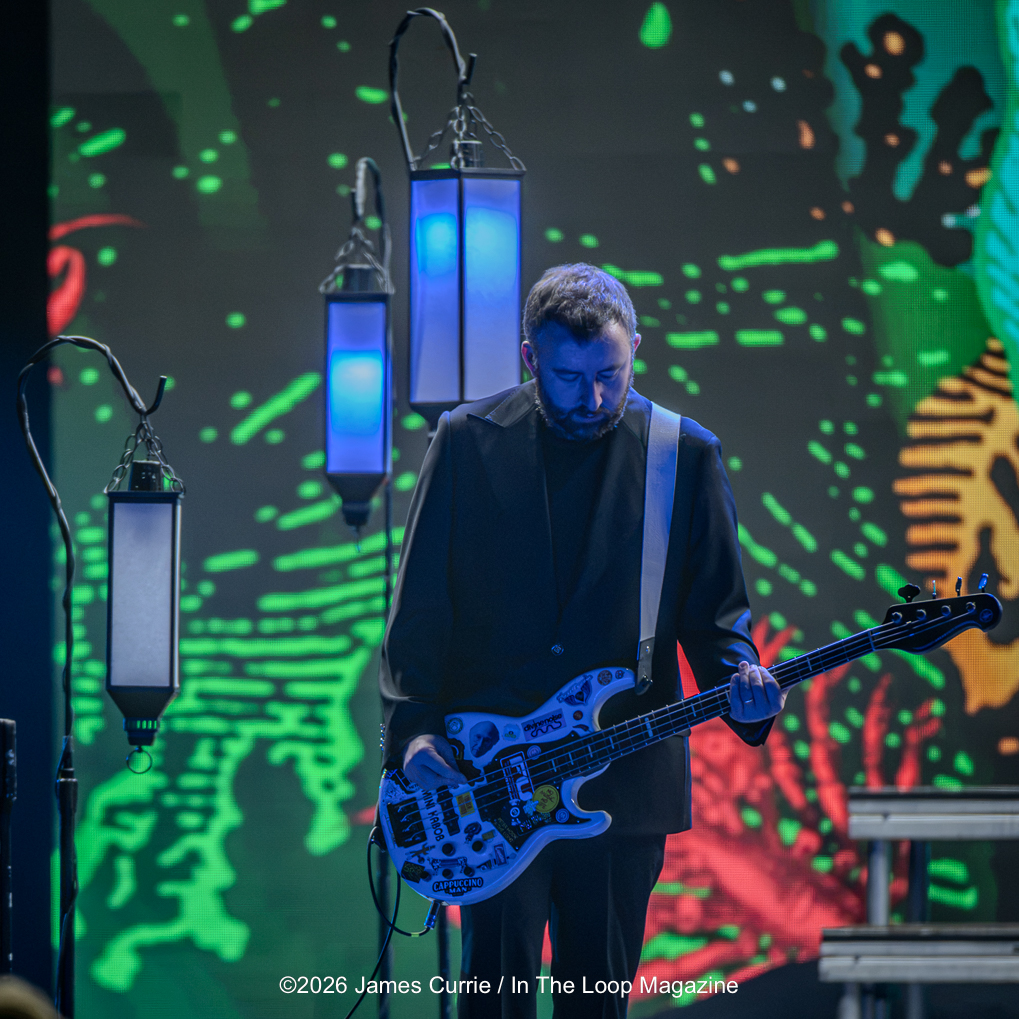
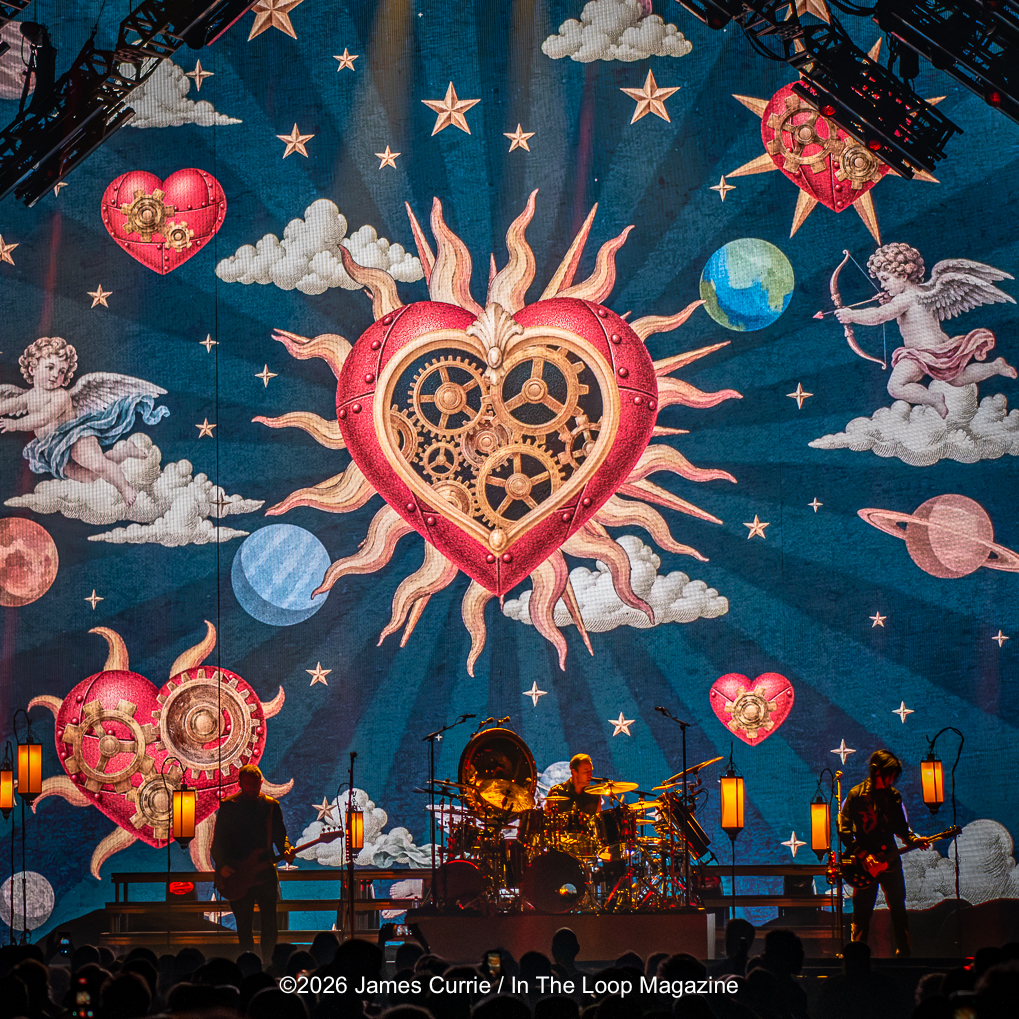
The production added to that feeling, although not necessarily in the way you’d expect. Instead of showing close-ups of the musicians on the arena’s large screens, the band relied on colors, imagery and visuals accompanying the music.
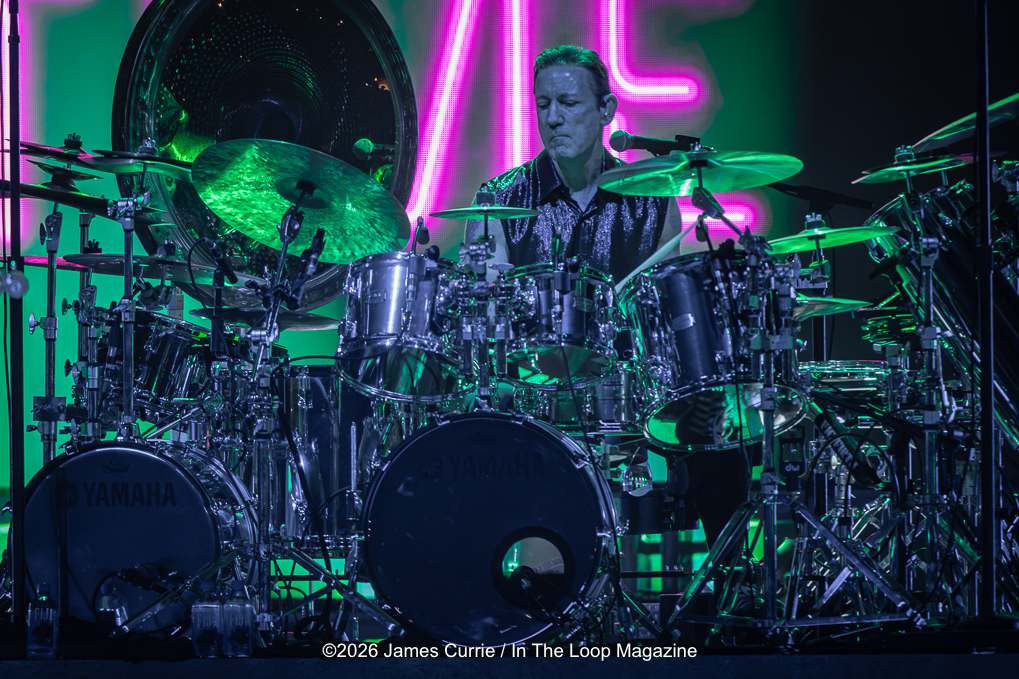
Was that the best decision for the people sitting all the way in the back? Probably not. Being able to actually see the musicians is a pretty important part of attending a concert, especially in an arena the size of the United Center. But there was something about not having cameras constantly following their faces that made the performance feel less like a massive production and more like a group of musicians playing together.
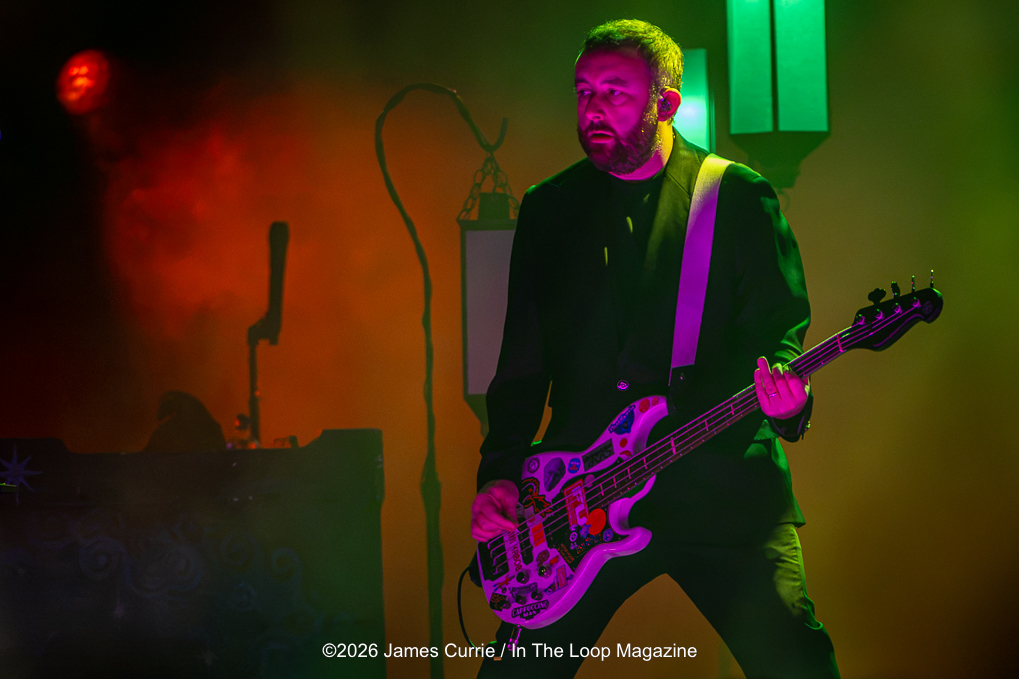
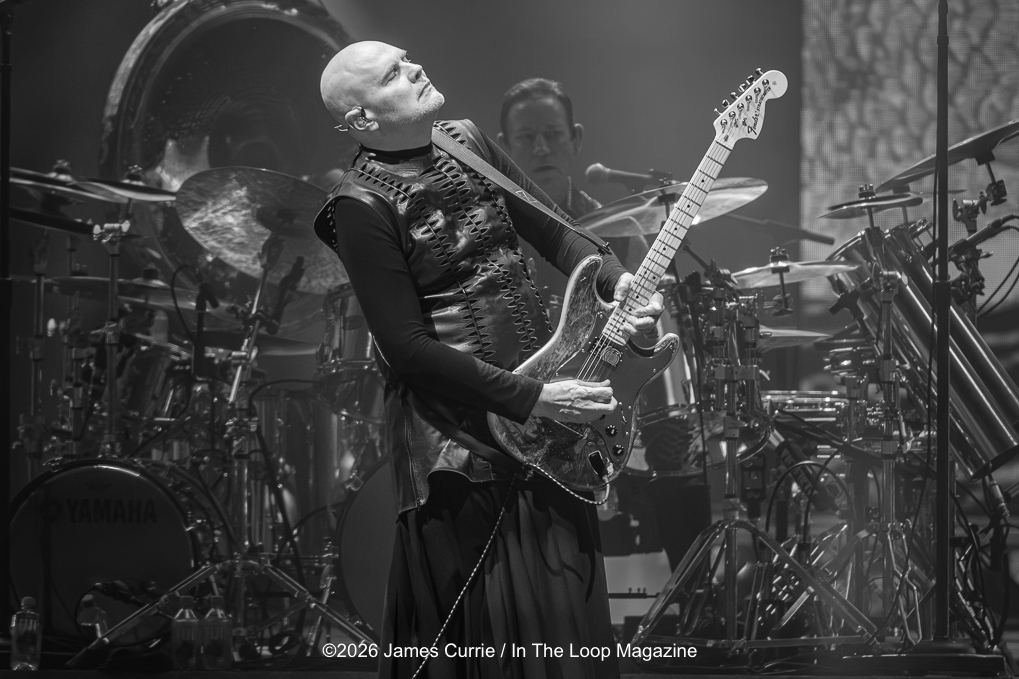
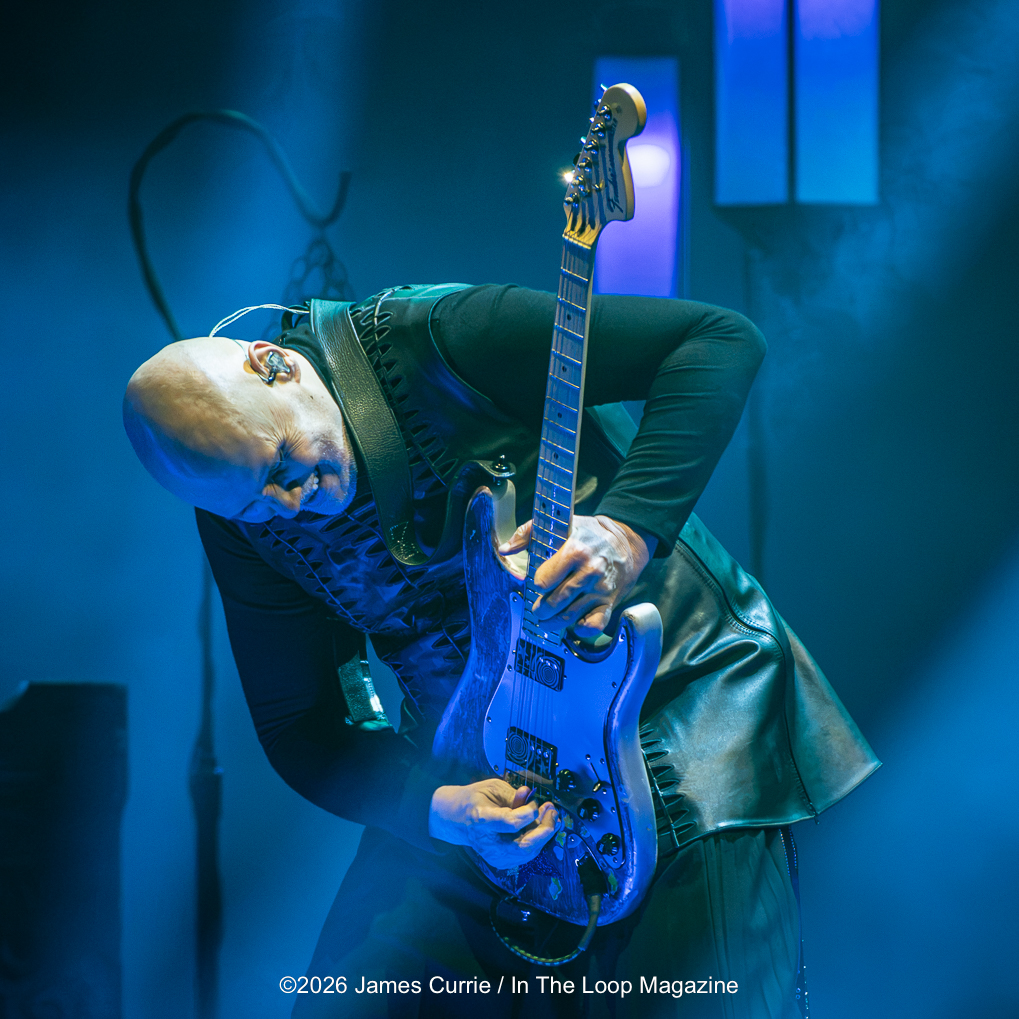
And the guitars really were the center of attention.
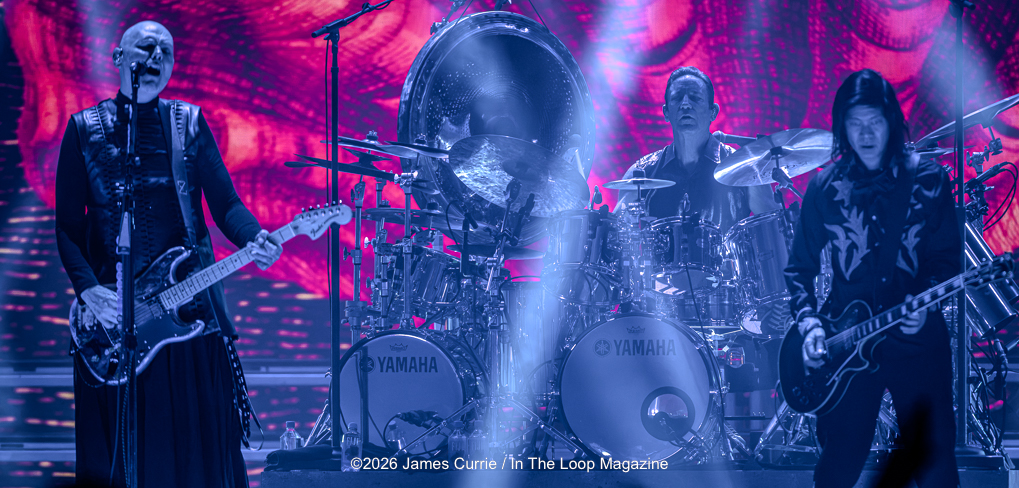
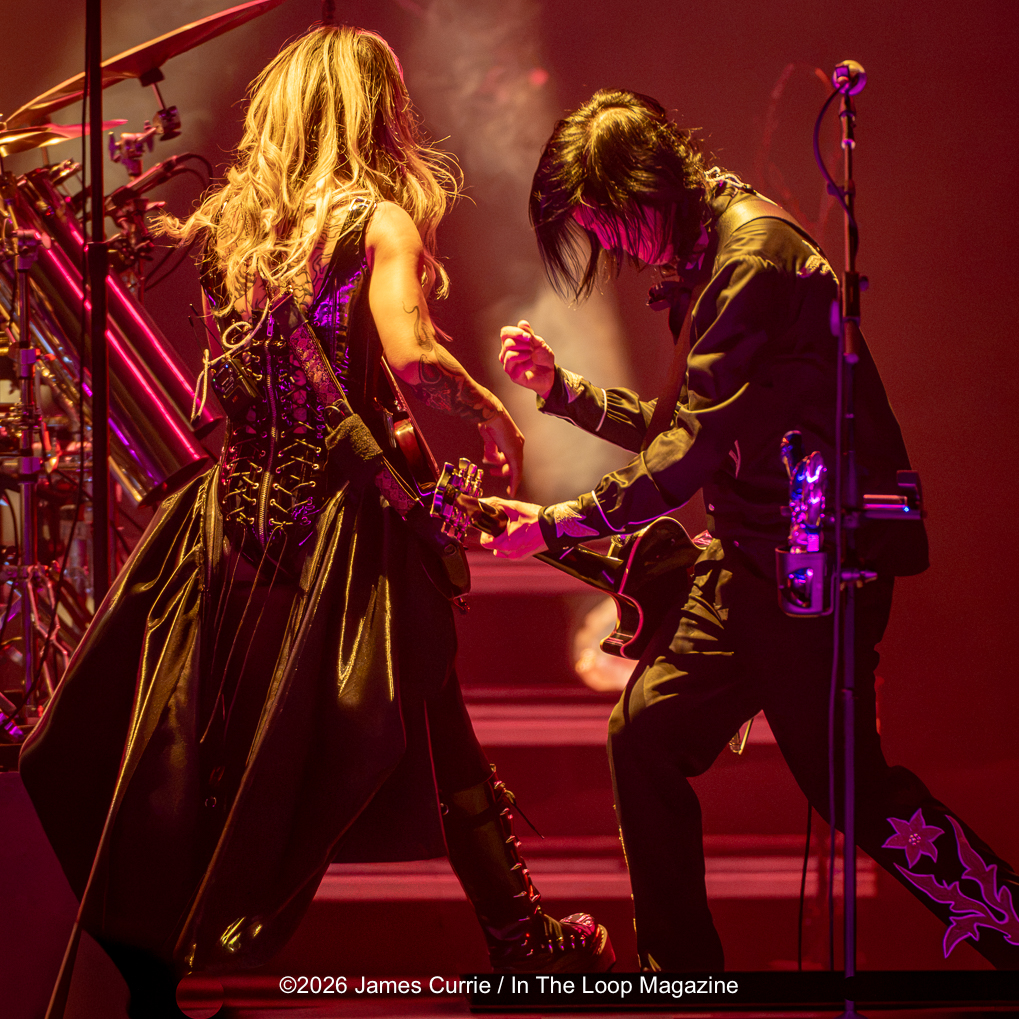
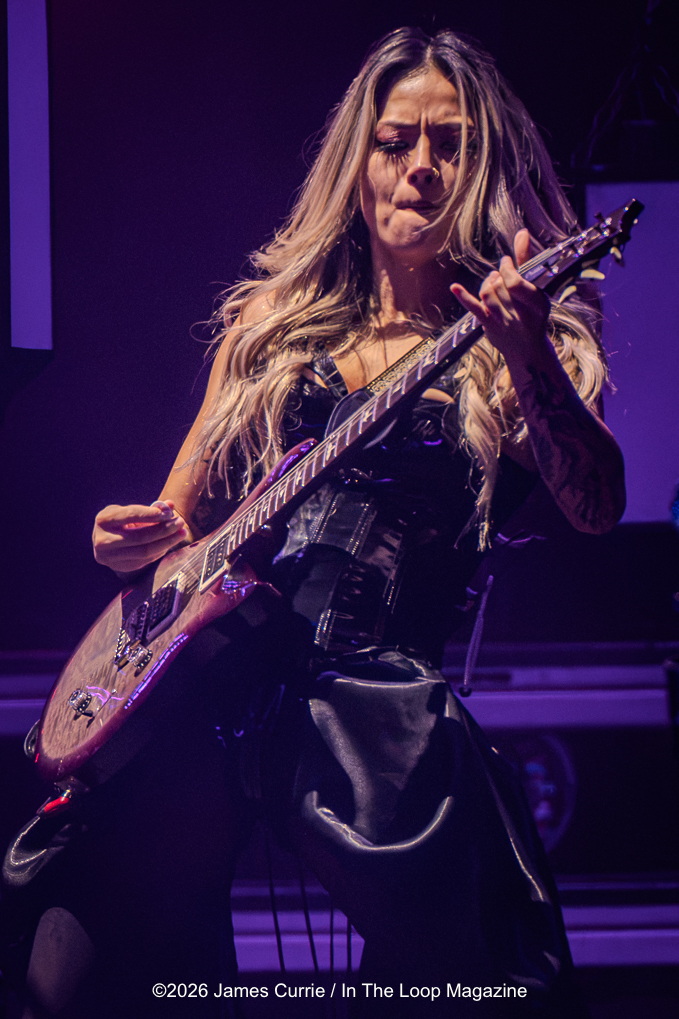
There was a balance between the instruments and Corgan’s vocals, with neither getting lost in the sound. Kiki Wong particularly stood out. Staying mostly within her section of the stage, she headbanged, leaned into her guitar and moved with the music, her outfit adding to her already strong presence. She wasn’t running across the entire stage, but she didn’t need to. Watching her play, you could tell how much passion she was putting on her performance.
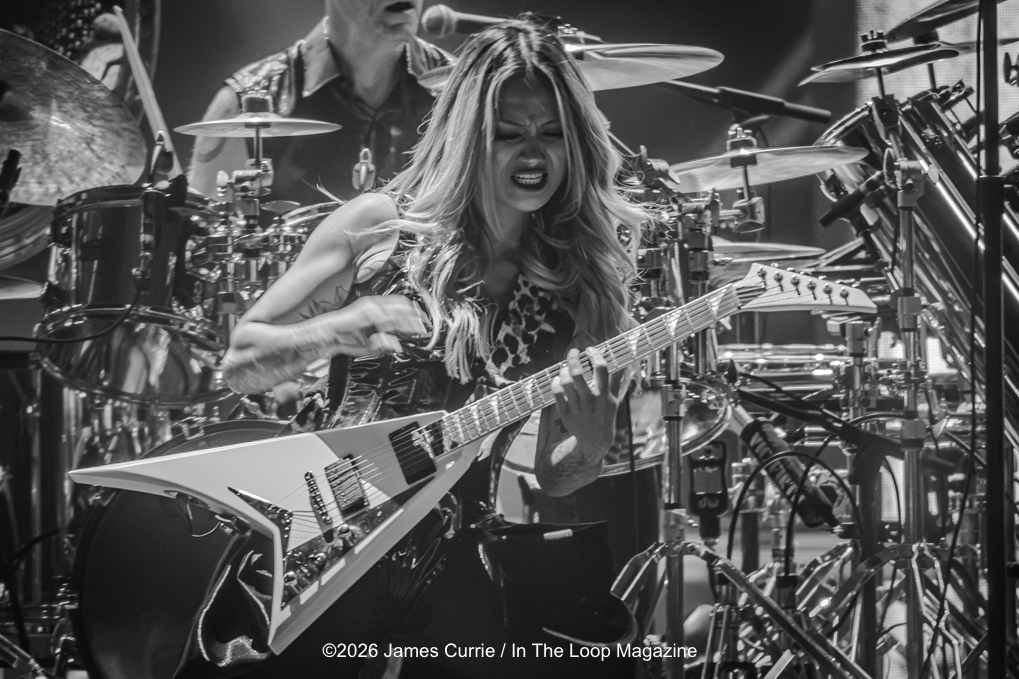
Some of the most captivating moments came when the guitarists turned towards each other. Rather than trying to outplay one another, they seemed to be creating their own conversation.
The first act had some of the night’s biggest singalongs. “Thirty-Three” became something close to a giant karaoke session, with lyrics displayed on the screens and voices echoing throughout the arena.
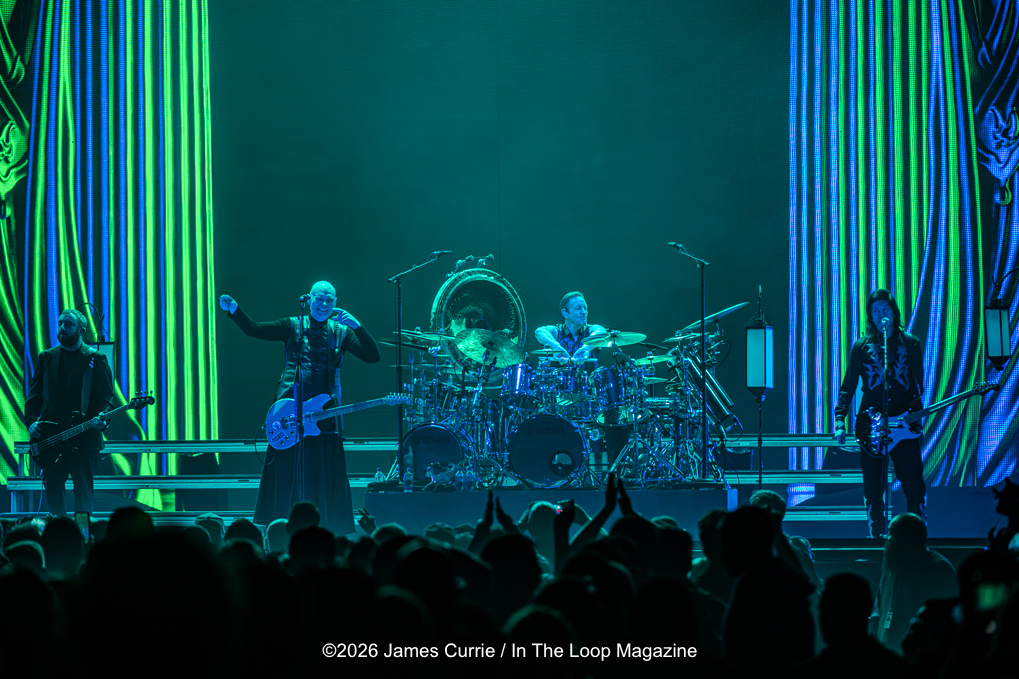
Then came “Tonight, Tonight” where more people rose from their seats, and halfway through the song, Corgan paused to encourage the audience’s applause. They happily gave it to him. By the time the song ended, the cheering had only gotten louder.
Being back in Chicago clearly meant something to the band. Corgan spoke about Mellon Collie and the Infinite Sadness, its connection to the city where it was written and how much the album still means to people decades later. He also joked that most of the audience hadn’t even been born when it came out (that’s me, I’m the target audience), or that their virginity had still been intact.
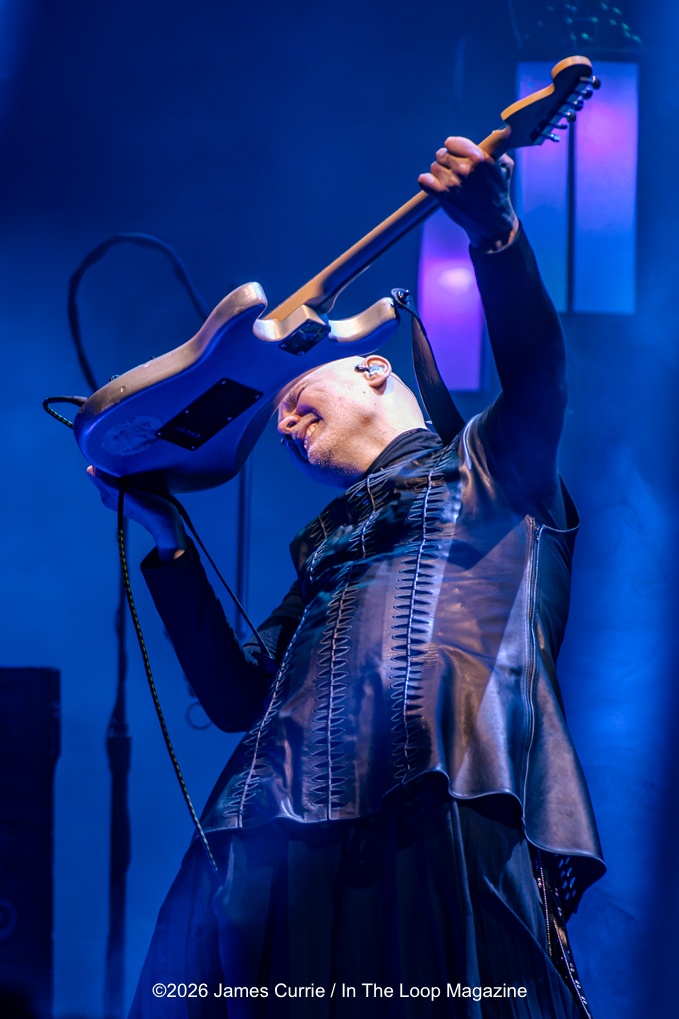
When “Zero” started playing, two men in their 50s sitting behind me were practically screaming the lyrics, embracing each other and enjoying every second. Watching them was almost as entertaining as watching the stage.
Around 9:20 p.m., the first act came to an end, followed by a 20-minute intermission. An intermission at a rock concert? I didn’t even know this was an option.
But looking back, it actually worked. It gave the audience a chance to take in what we’d just experienced and prepare for a second act that would be heavier, darker and much more theatrical. Meanwhile, the stage was being transformed for what was coming next.
During those 20 minutes, I met a woman who told me she was turning 77 in a few weeks. She had attended countless concerts, from The Cure to Foo Fighters, and had even partied with David Bowie back in the day (I was incredibly jealous). Since most of her friends weren’t interested in attending concerts anymore, she’d her nephew as her rock ‘n’ roll buddy.
When I asked how she would describe the performance, she compared it to a mixture of Ozzy Osbourne and Metallica, calling the atmosphere “very mystical.” And after seeing what came next, I understood exactly what she meant.
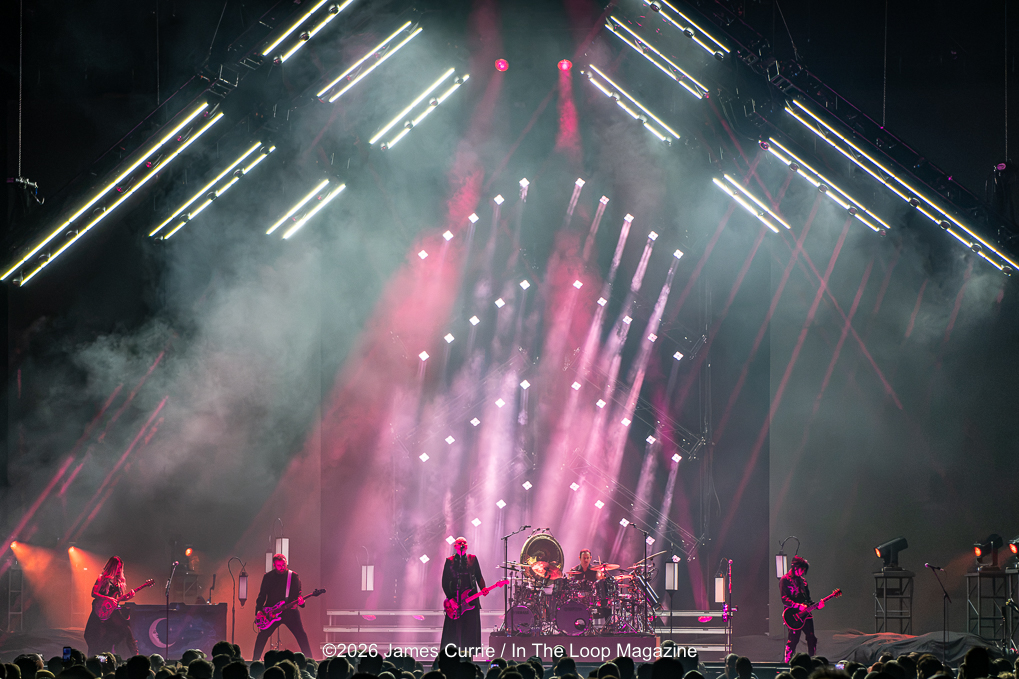
The second act didn’t simply pick up where the first had left off. It felt like entering an entirely different show. Corgan appeared wearing a cape and hat, and an instrumental passage helped introduce the new atmosphere. The lighting shifted toward darker tones, with purple and blue lights replacing the brighter look of the first half.
The performance became more experimental, heavier and almost theatrical. Instead of simply watching a band move through its setlist, it felt like we were being invited into something they wanted to tell us.
At one point, the screens showed a ballet dancer, along with imagery of an archer shooting arrows and a swan that eventually appeared with an arrow in it. The sequence didn’t last long, but it added to the strange, almost unsettling atmosphere of the second act.
What made it work was how naturally the visuals fit alongside the music. They weren’t just something to look at while the band played. Together, the guitars, lighting and imagery created an experience that felt completely different from the nostalgia of the first half.
Songs like “Edin” and “Pentagrams” brought out that heavier, more experimental side of the band. The instruments were still in harmony, but the overall mood had changed. There were stretches when Corgan barely needed to address the audience. The performance was doing the talking.
And while the first act had some of the most recognizable moments, the second was the one that stayed with me the most. Of course, there were still plenty of songs that brought the audience right back into singalong mode.
When “Disarm” appeared on the screens, the cheering began before the song had even properly started. “Ava Adore” brought a darker intensity, while “Mayonaise” seemed to hold a special place for the crowd. As its opening guitars came in, more phones appeared than I’d seen for most of the night.
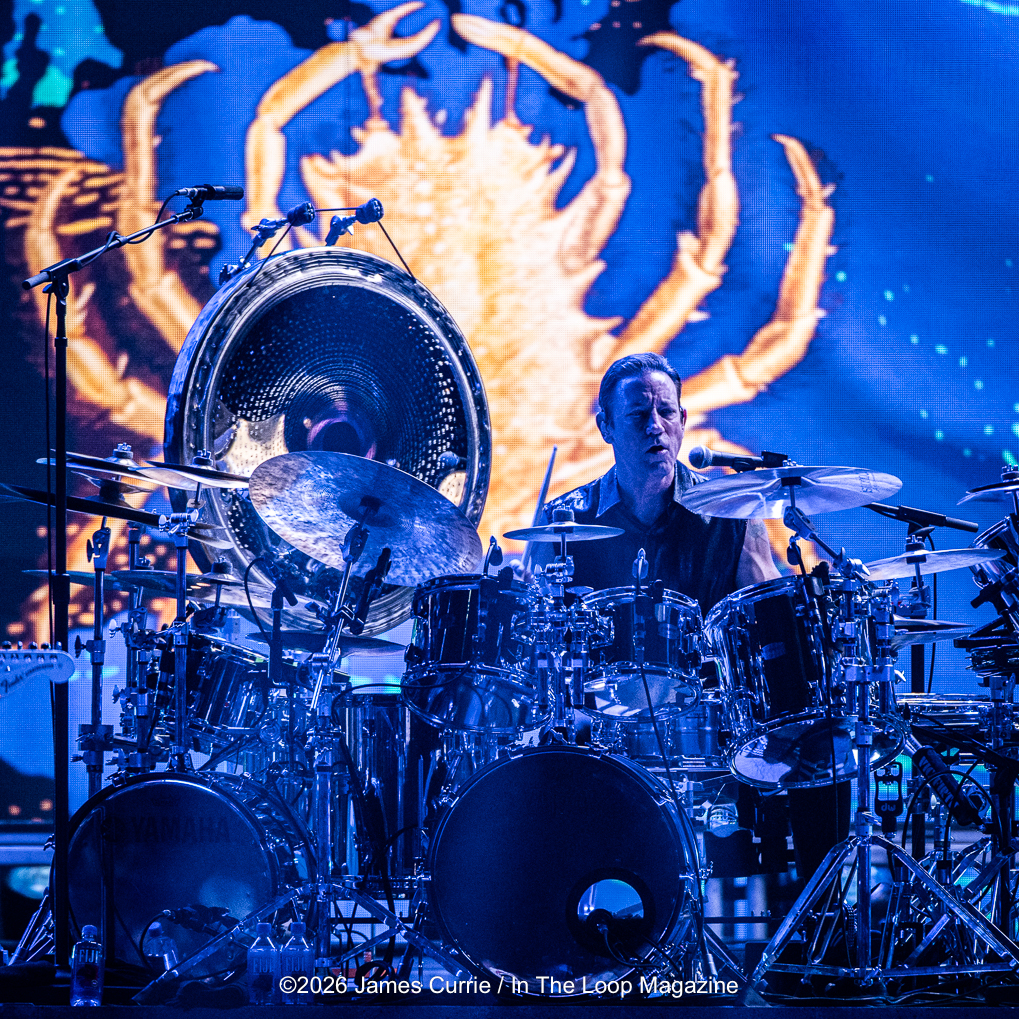
There was also a moment when drummer Jimmy Chamberlin addressed the crowd, expressing his appreciation for the city that helped make the band’s success possible. “Can you feel the love, thank you so much, it’s been an amazing city with a bunch of amazing people. You are a part of why we were able to do what we did,” he told the audience. For a band so closely connected to Chicago, that appreciation felt particularly meaningful.
By around 10:30 p.m., I started hearing people around me commenting on how long the band had been playing. And honestly, I was thinking the same thing.
Every time it seemed like they’d reached the perfect song to close the show, they pulled out another one. And then another.
Nearly three hours into the performance, they could still bring the crowd back to its feet. One moment, the arena was absorbed in the music; the next, people were standing, screaming and throwing their hands into the air.
By the time the show finally ended just before 11 p.m., it felt like we’d experienced several different concerts in one night. And Corgan didn’t seem like he wanted to leave.
He stayed onstage, taking in the applause and thanking the crowd. There was no rush to disappear backstage, no need for one final massive spectacle. Just a musician taking his time saying goodbye to his hometown audience.
Looking around the United Center that night, what stayed with me wasn’t necessarily one particular song or visual. It was watching generations of fans experience the same music in completely different ways.
Some were reliving memories from decades ago, others were making new ones, and some were probably hearing these songs live for the very first time.
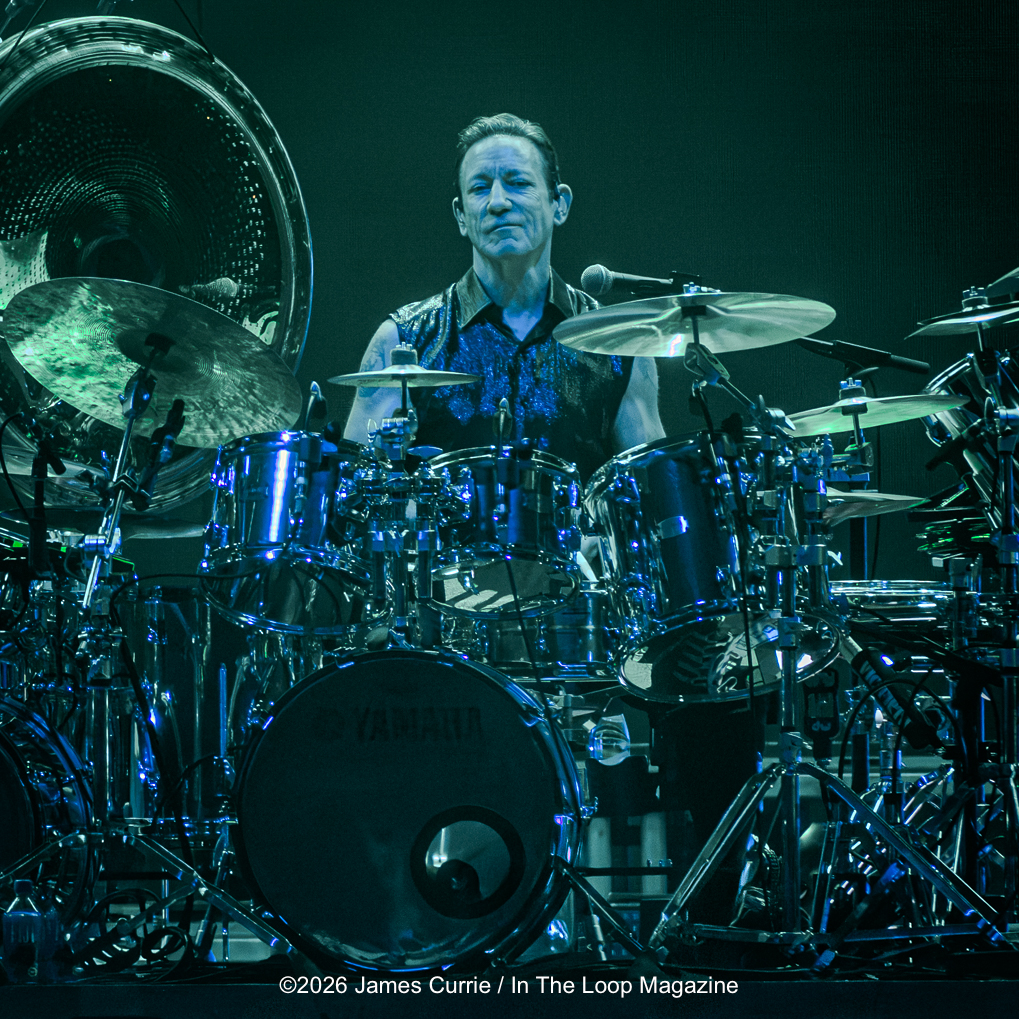
It was just three hours, four guitars and an arena full of people who clearly weren’t ready for the night to end.
For more on The Smashing Pumpkins, click here
For photos from the show, click here


- 30th anniversary, 35th Anniversary, Billy Corgan, Chicago, concert review, Gish, Homecoming, James Iha, Jimmy Chamberlin, Mellon Collie and the Infinite Sadness, Rats In A Cage, The Smashing Pumpkins, Tour 2026, United Center


Related Articles

More in this category